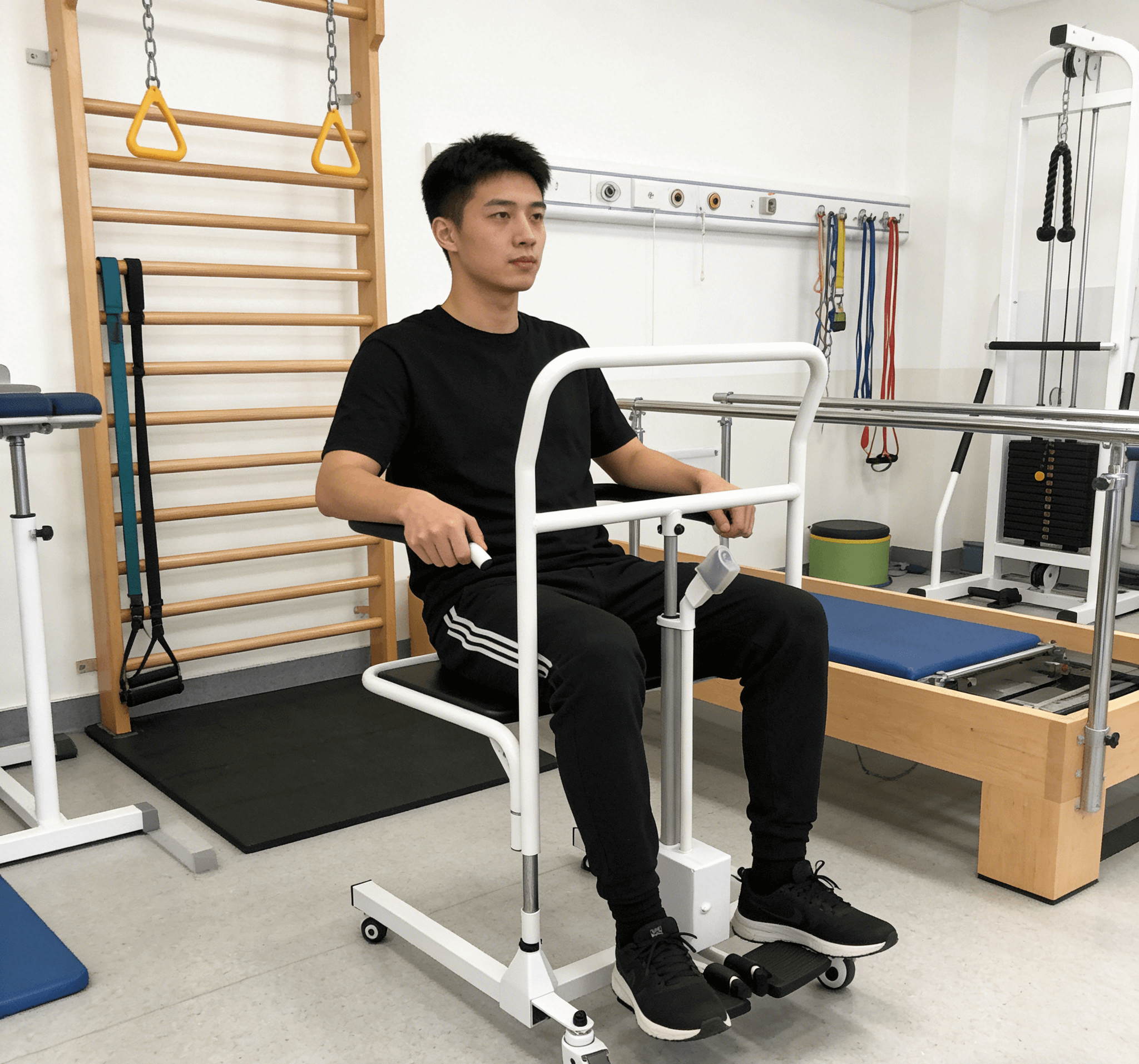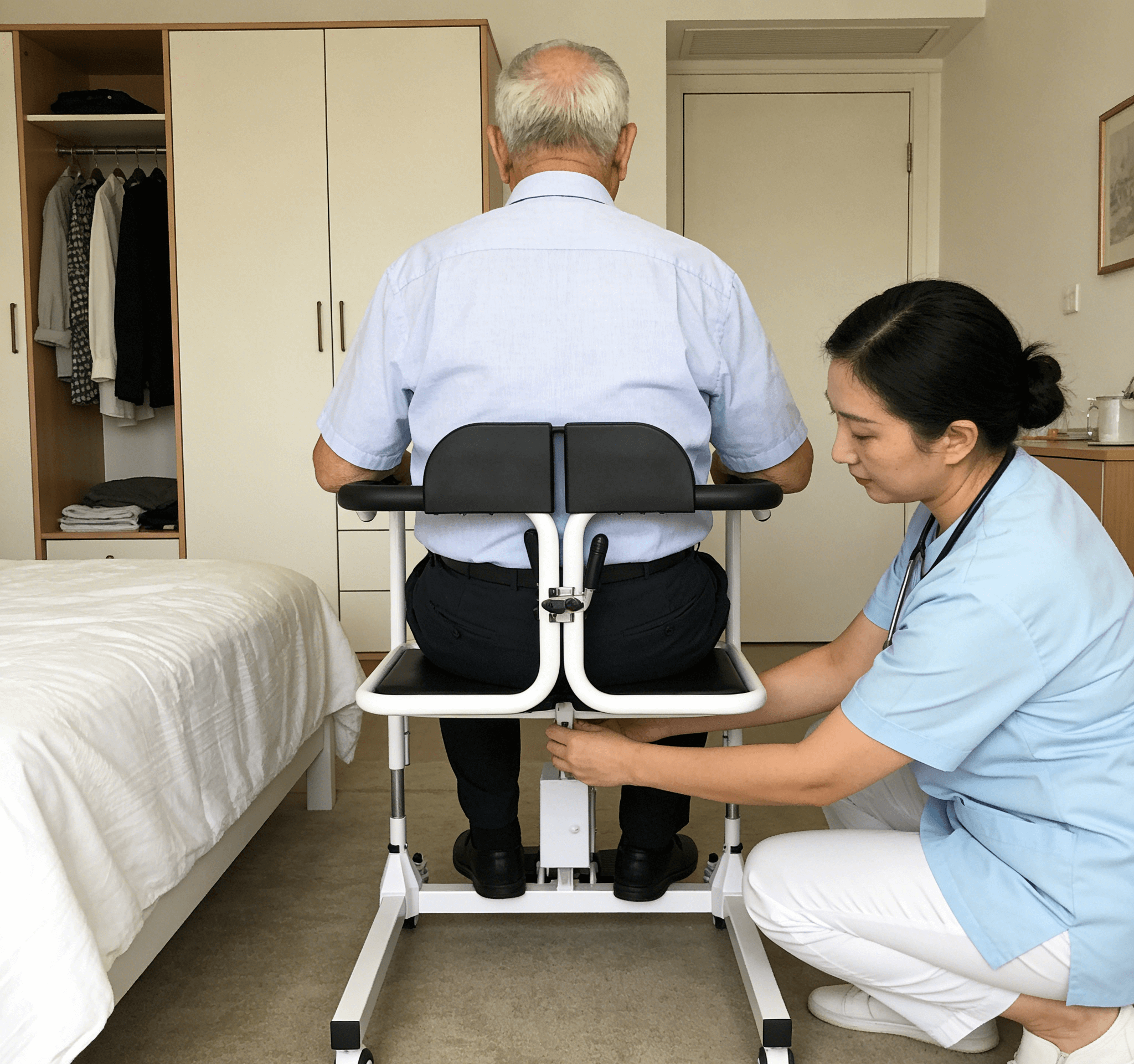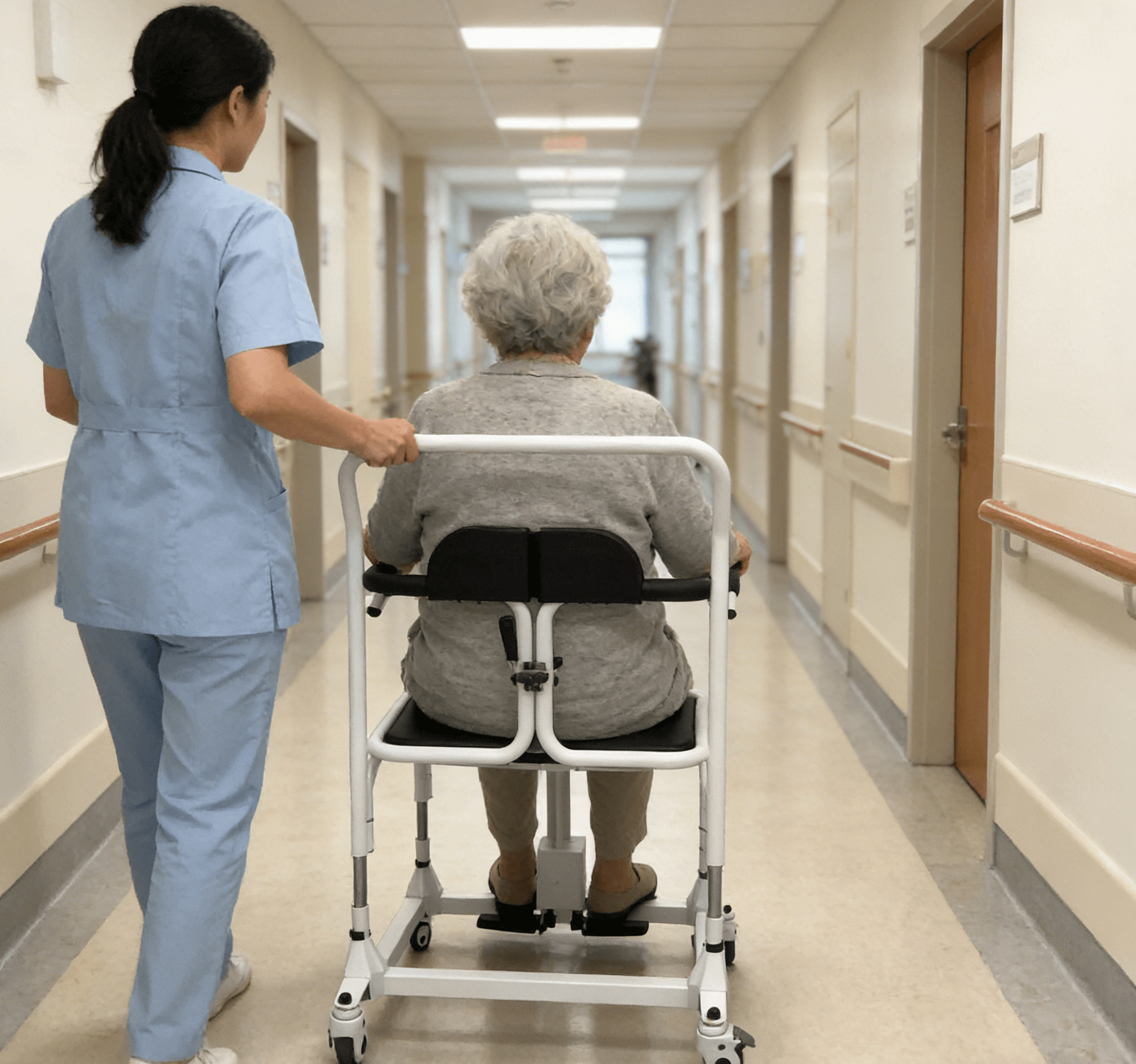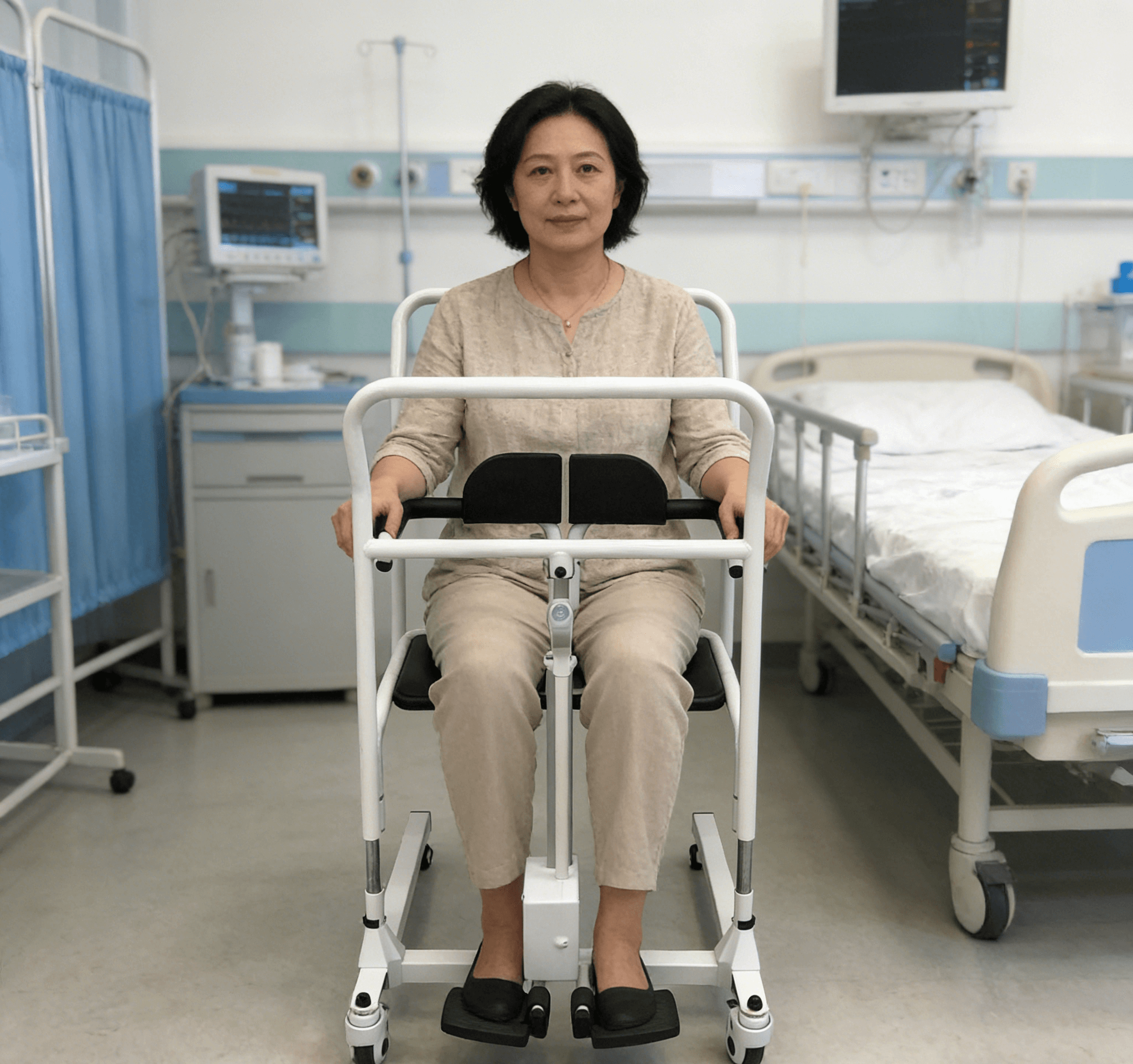
Category: Power Wheelchair
Posted by 2025-12-12 10:12
hoyer lift assessment
Hoyer Lift Assessment: The Cornerstone of Safe and Individualized Transfer Care
The introduction of a Hoyer Lift is a decision that can significantly enhance the safety and quality of care. However, conducting a comprehensive assessment before purchasing or using the equipment is an absolutely essential and critical step. This is not a simple "check" but a systematic diagnosis and planning process led by professionals, aiming to ensure that the equipment perfectly matches the patient’s physical condition, home environment, and care goals.
I. Why Is the Assessment So Important?
Prioritize Safety: Improper use of a Hoyer Lift may lead to patient falls, skin abrasions, sling pinch injuries, or even caregiver injuries. The assessment helps prevent these risks at the source.
Confirm Medical Necessity: The assessment serves as the basis for proving to health insurance providers (such as Medicare) or insurance companies that the equipment is "medically necessary" rather than "for convenience only," and is a prerequisite for obtaining reimbursement approval.
Achieve Individualized Configuration: Not all patients are suitable for the same type of Hoyer Lift and sling. The assessment identifies the most appropriate equipment type and accessories based on the patient’s body shape, physical condition, and diagnosis.
Provide Professional Training: The assessment process itself is the most important hands-on training, ensuring that caregivers can operate the equipment confidently and correctly.
II. Who Conducts the Assessment?
The assessment must be performed by qualified healthcare professionals, typically including:
Occupational Therapists: They are experts in this field, focusing on evaluating patients’ ability to perform daily activities and recommending suitable assistive devices.
Physical Therapists: They specialize in patients’ mobility functions and body mechanics, and are also capable of conducting excellent assessments.
Registered Nurses: Especially those with experience in rehabilitation or home care settings.
Note: Sales staff from Durable Medical Equipment (DME) suppliers can demonstrate products, but they cannot replace healthcare professionals in completing official, legally valid medical assessments.
III. Core Content of the Assessment
A comprehensive Hoyer Lift assessment usually covers the following three dimensions:
1. Patient’s Physical Condition Assessment
Mobility and Weight-Bearing Capacity: Can the patient stand partially or is they completely unable to bear weight? This is the fundamental factor determining whether a Hoyer Lift (rather than a standing aid) is needed.
Joint Range of Motion: To what extent can the patient move their hips, knees, and shoulders? This affects the body position during transfers and the placement of the sling.
Cognitive and Communication Abilities: Can the patient understand instructions and cooperate during the transfer process? This is crucial for ensuring safety.
Skin Condition: Check for skin damage, pressure ulcers, or areas with reduced sensation. Assess the risk of pressure and friction that the sling may cause.
Weight and Height: Ensure the selected Hoyer Lift has sufficient weight-bearing capacity and boom height.
Pain Level: Understand the patient’s pain points during movement to plan the most comfortable transfer path.
2. Functional and Task Assessment
Transfer Scenarios: Evaluate the specific scenarios in which transfers are needed (e.g., bed ↔ wheelchair, wheelchair ↔ toilet, wheelchair ↔ shower chair).
Caregiver Capabilities: Assess the physical strength, height, and equipment operation ability of the primary caregiver.
3. Environmental Assessment
Space Measurement: Measure the width of bedroom and bathroom doorways, as well as the operating space around beds and chairs, to ensure the Hoyer Lift has enough room to move and turn.
Floor Condition: Is the floor hard or carpeted? Thick carpets can increase the difficulty of pushing the lift.
Furniture Compatibility: Evaluate the height and stability of beds and chairs, and whether there are armrests that may hinder transfers.
IV. Specific Outcomes and Decisions of the Assessment
Based on the above information, the assessor will make the following key decisions:
Equipment Type: Recommend a mobile Hoyer Lift or a ceiling track lift? For families with frequent transfers and limited space, a track system may be a better choice.
Sling Selection: Recommend the most suitable sling type (e.g., full-back sling, U-shaped sling, toileting sling), size, and material to provide optimal support and comfort.
Develop a Transfer Plan: Clearly outline the detailed steps for each transfer task (e.g., bed to wheelchair).
Provide Hands-On Training: The assessor will on-site guide caregivers and, if possible, the patient on how to correctly put on the sling, operate the equipment, and complete a safe transfer.
V. Preparation Tips for Family Caregivers
Before the assessment, please prepare the following information:
The patient’s primary diagnosis and surgical history.
The doctor’s medical order or referral form.
Videos or photos of the home environment, sent to the therapist in advance.
A list of specific difficulties encountered in daily care and the safety concerns that matter most to you.
Conclusion
A Hoyer Lift assessment is far more than a "purchase permit"; it is a crucial safety investment. It transforms guesswork and risks into clear operating procedures and confidence. Skipping the assessment and using the equipment directly is like building a house without a blueprint—full of hidden dangers. Through this professional assessment, what you obtain is not just a piece of equipment, but a customized safe transfer solution that ensures every transfer in the future can be carried out with dignity and safety.